If your well water smells like rotten eggs, the problem is often hydrogen sulfide, iron bacteria, or both. The right filtration system can reduce that odor and improve everyday water quality throughout the home.
Below, we focus on practical whole-house solutions for different well conditions, budgets, and maintenance preferences so you can choose with confidence.
Best 10 Well Water Filtration Systems for Sulfur Smell Picks for 2026
Whole-Home Odor Control
iFilters MWH-D20-WELL Dual-Stage Well Water Filter

- Dual-stage sediment + KDF/GAC filtration
- Helps reduce sulfur odor, iron, chlorine, and sediment
- Whole-house design with 1" high-flow ports
Best For: Homes needing whole-house sulfur smell and iron reduction
Oxidation-Based Iron Removal
Air Injection Iron Eater Filter 1.0
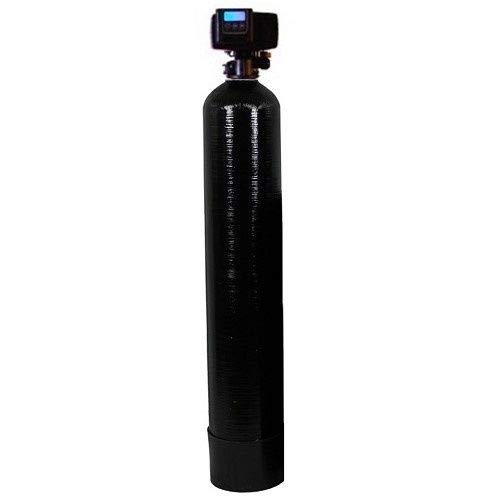
- Air injection oxidation for well water treatment
- Targets iron, manganese, and H2S odor
- Complete system with mineral tank and digital valve
Best For: Wells with sulfur smell plus iron and manganese
Well Sanitation Starter
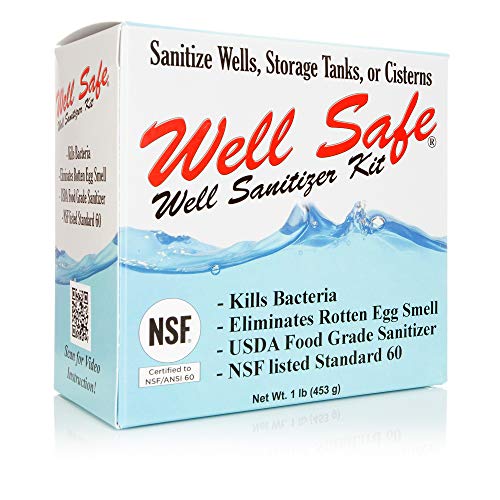
- Disinfects wells, tanks, and cisterns
- Aims to kill bacteria linked to sulfur odor
- DIY kit with USDA food grade tablets
Best For: Sanitizing a well to reduce bacteria-related sulfur smell
High-Capacity Oxidation System
Fleck 5600 SXT Air Injection Iron Eater
- Automated air injection oxidation system
- 1.5 cu ft catalytic carbon for H2S, iron, and manganese
- Daily backwash helps keep the media clean
Best For: Larger homes needing automated sulfur odor and iron treatment
Oxidizer Additive
Pro Products Neutra Sul Oxidizer

- Targets rotten egg odor from hydrogen sulfide
- NSF Certified drinking-water additive
- Works with a chemical feed pump
Best For: Users with an existing injection system treating sulfur smell
Whole House System
iSpring Ultimate Protection 3-Stage Filter

- Reduces hydrogen sulfide, odor, and taste issues
- Also targets heavy metals, chlorine, and chloramine
- Compact whole-house design with 15 GPM flow
Best For: Whole-home sulfur odor control with added scale and metal reduction
Well Sanitizer
Well Water Sanitizer Tablet Kit
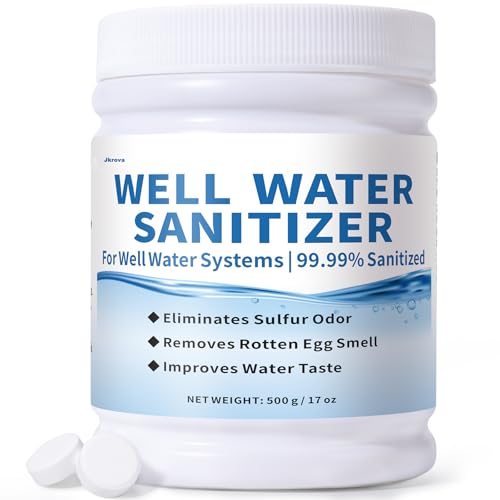
- Targets rotten egg and sulfur odors in well water
- Helps reduce buildup, mineral deposits, and sludge
- Simple tablet treatment with food-grade ingredients
Best For: Shallow wells needing a simple odor-and-buildup treatment
Whole-house air injection system
Fleck 2510SXT air injection sulfur removal system
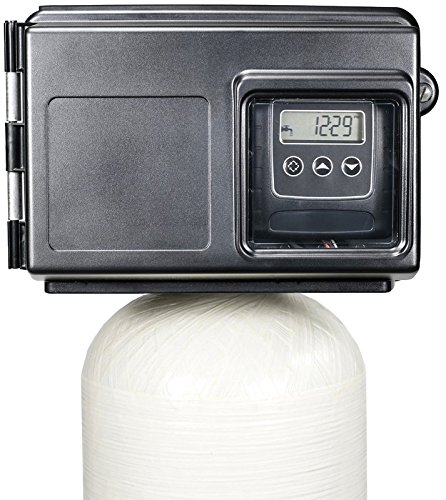
- Removes iron, manganese, and sulfide.
- High flow up to 12 GPM.
- Includes stainless steel bypass and 10-year warranty.
Best For: Homes wanting one system for sulfur smell plus iron and manganese.
Aeration-style odor fix
Sulfur removal aeration nozzle for 2 to 4 inch wells

- Uses aeration to vent sulfur gas.
- No filters or chemicals needed.
- Fits 2" to 4"+ wells except 2" packer jet systems.
Best For: Wells that need a simple sulfur odor fix without filter maintenance.
High-capacity whole-house filter
12x52 air injection sulfur and iron filter system

- Removes hydrogen sulfide up to 17 ppm.
- Automatic backwashing with Fleck 5600SXT.
- Designed for larger homes and higher demand.
Best For: Larger households needing whole-house sulfur and iron reduction.
Whole-Home Odor Control – iFilters MWH-D20-WELL Dual-Stage Well Water Filter
If you’re comparing well water filtration systems for sulfur smell, this iFilters dual-stage system is built to tackle the common issues that come with private wells. It combines a 30-micron pleated sediment filter with KDF and GAC media to help reduce sulfur odor, iron, chlorine, and visible sediment at the whole-house level.
Best For: Homes that need whole-house filtration for sulfur smell, iron staining, and sediment.
Pros:
- Dual-stage design pairs sediment filtration with KDF/GAC media.
- Targets sulfur odor, iron, chlorine, and bad taste from well water.
- 1″ high-flow ports and up to 15 GPM support whole-home use.
- Rated up to 100,000 gallons and includes a housing wrench and pressure relief valve.
Cons:
- Does not remove TDS, so dissolved minerals remain in the water.
- Replacement maintenance is needed over time, depending on water conditions.
This is a practical fit if your main goal is reducing rotten-egg odor while also catching sediment and iron before it reaches fixtures. Its whole-house format makes it a straightforward choice for households that want odor reduction at every tap rather than a point-of-use solution.
Oxidation-Based Iron Removal – Air Injection Iron Eater Filter 1.0
For buyers focused on well water filtration systems for sulfur smell, this air injection unit uses oxidation to treat iron, manganese, and H2S. The system creates a pocket of air to help oxidize the water before filtration, which is the key feature if your well water has that rotten-egg odor along with metal issues.
Best For: Wells with sulfur odor plus iron and manganese that need oxidation-based treatment.
Pros:
- Air injection technology helps oxidize water before filtration.
- Designed to remove iron, manganese, and H2S.
- Includes a 10×54 mineral tank, 1″ plastic bypass, and digital control valve.
- Packaged as a complete system for DIY installation.
Cons:
- Installation requires basic plumbing skills.
- System size may be more than needed for simple odor-only treatment.
This is a strong option when sulfur odor is part of a broader iron or manganese problem, since the air injection approach is aimed at oxidation first. If you want a self-contained system with digital control and complete components, it’s a more technical but capable whole-house choice.
Well Sanitation Starter – WELL SAFE Well Sanitizer Kit
If you’re looking at well water filtration systems for sulfur smell, this kit is more of a sanitation treatment than a filter. It’s designed to disinfect wells, storage tanks, and cisterns, and the instructions explain how to circulate the treatment, let it stand, and flush until clear.
Best For: Sanitizing wells to address rotten egg odor caused by bacteria.
Pros:
- Kills bacteria that can cause rotten egg smell or sulfur odor.
- Simple DIY process with step-by-step instructions.
- Uses USDA food grade calcium hypochlorite tablets.
- NSF 60 listed product and includes enough sanitizer for whole-well treatment.
Cons:
- It sanitizes the well rather than providing continuous filtration.
- Needs repeated use every 3 months for ongoing maintenance.
This is a sensible first step if the odor may be coming from sulfate-producing bacteria rather than from filtration issues alone. It’s not a substitute for a whole-house filter, but it can be a cost-effective way to clean up smell and taste before investing in a larger system.
High-Capacity Oxidation System – Fleck 5600 SXT Air Injection Iron Eater
For households comparing well water filtration systems for sulfur smell, this Fleck 5600 SXT model offers a larger-capacity air injection approach. It uses air injection to oxidize contaminants and pairs that with 1.5 cubic feet of Centaur catalytic carbon to help remove iron, manganese, and H2S.
Best For: Larger homes needing automated treatment for sulfur odor, iron, and manganese.
Pros:
- Air injection system helps oxidize water for contaminant removal.
- Uses 1.5 cu ft of upgraded Centaur catalytic carbon.
- Fleck 5600 SXT digital control includes an automatic daily backwash cycle.
- Complete system includes tank and 1″ plastic bypass for installation.
Cons:
- Heavier and more involved than a basic cartridge filter.
- DIY install still requires basic plumbing skills.
This is the most robust option in the group for users who want automated maintenance and a higher-capacity media bed. If sulfur odor is paired with iron or manganese across a whole home, the combination of air injection and catalytic carbon makes this a strong long-term treatment choice.
Oxidizer Additive – Pro Products Neutra Sul Oxidizer
If you already have a feed system in place, this oxidizer is a practical option for tackling well water filtration systems for sulfur smell. Neutra Sul is designed to help eliminate rotten egg odor from hydrogen sulfide through oxidation, and it can also be used in place of a 7% hydrogen peroxide solution in some applications.
Best For: Homeowners or businesses using a chemical feed pump to treat sulfur odor in well water with a professional-grade additive.
Pros:
- Helps eliminate hydrogen sulfide odor and other impurities through oxidation
- NSF Certified to NSF/ANSI/CAN Standard 60 for drinking water additives
- Can be used with a chemical feed pump for direct injection into the water line
- Made in the USA and sold in a 4-bottle set
Cons:
- Requires a feed pump setup, so it is not a simple drop-in filter
- Proper dosage rates vary by application and must be checked carefully
This is a treatment chemical rather than a complete filtration unit, so it fits best as part of a larger well-water odor control setup. For the right system, it offers a focused way to address sulfur smell before water reaches the home.
Whole House System – iSpring Ultimate Protection 3-Stage Filter
For homeowners looking at well water filtration systems for sulfur smell, this iSpring whole-house unit is built to address odor while also handling several common water issues. Its third-stage carbon filter reduces residual chlorine, odors, and unpleasant tastes, and the middle stage targets hydrogen sulfide along with chlorine, chloramine, and heavy metals.
Best For: Whole-home treatment where sulfur odor, odor control, and broader protection against scale and metals all matter.
Pros:
- Targets hydrogen sulfide as part of a 3-stage filtration setup
- Also reduces chlorine, chloramine, lead, and mercury
- Includes scale and corrosion defense with a patented inhibitor
- Compact design with up to 15 GPM flow and 80,000-gallon capacity
Cons:
- Does not reduce TDS
- Filter changes are required over time, with a 12-month cycle listed
This is a strong all-around choice if you want one system to handle sulfur odor and other water quality concerns at the point where water enters the home. It is especially appealing for tighter installations where space is limited.
Well Sanitizer – Well Water Sanitizer Tablet Kit
If your goal is to freshen up a well system rather than install a permanent filter, this sanitizer kit is aimed directly at well water filtration systems for sulfur smell. It is designed to remove rotten egg and sulfur odors, while also helping reduce organic buildup, mineral deposits, and sludge that can affect water quality.
Best For: Shallow wells and homeowners wanting a simple treatment to refresh well water odor and buildup problems.
Pros:
- Designed specifically for well systems
- Targets sulfur and rotten egg odors
- Helps reduce organic buildup, mineral deposits, and sludge
- Food-grade ingredients and simple tablet application
Cons:
- It is a sanitizer treatment, not a continuous filtration system
- Best suited to periodic use rather than whole-house ongoing treatment
This product is a straightforward option when odor and buildup are the main concerns and you want an easy treatment process. It is a practical fit for well owners who prefer a direct, low-complexity refresh solution.
Whole-house air injection system – Fleck 2510SXT air injection sulfur removal system
If you want a well water filtration system for sulfur smell that also handles iron and manganese, this air injection setup is built for whole-house treatment. It uses oxidation reduction to target sulfide-related odor and related staining issues, while the Fleck 2510SXT valve and Katalox media are aimed at strong performance with less wasted water during backwashing.
Best For: Homes needing a single tank solution for sulfur odor, iron, and manganese with a high-flow design.
Pros:
- Removes iron, manganese, and sulfide in one system.
- High-flow design rated up to 12 gallons per minute.
- Katalox filter media is described as reducing backwashing time and water waste.
- Stainless steel bypass is included, with assembly in the USA.
Cons:
- Rated maximum TDS support is limited to 35 PPM.
- Large 53-pound system may be more involved to install than smaller options.
- Manual power source means no smart or automated add-ons.
This is a solid pick if your priority is broad contaminant removal rather than a sulfur-only fix. The extended warranty and name-brand Fleck control valve add confidence for buyers who want a durable, whole-house solution.
Aeration-style odor fix – Sulfur removal aeration nozzle for 2 to 4 inch wells
For buyers focused on a well water filtration system for sulfur smell without a traditional filter tank, this aeration nozzle is designed to vent sulfur gas before it reaches the home. It sprays water back into the well to release odor-causing gas, making it a simple, no-filter approach for compatible well lines.
Best For: Wells that need a low-maintenance aeration fix for rotten egg odor without filters or chemicals.
Pros:
- Targets sulfur odor through aeration instead of filtration.
- Works on 2″, 3″, and 4″+ wells, with a noted exception for 2″ packer jet systems.
- No filters to change and no chemicals required.
- Simple nozzle design connects to the existing well line.
Cons:
- Requires a compatible well setup to work properly.
- Does not provide multi-contaminant filtration like tank systems.
- Bullets note electric power, so it is not a fully passive solution.
This is a practical choice if your main problem is sulfur odor and you want to avoid filter changes. It is best viewed as a targeted aeration solution rather than a full whole-house filtration system.
High-capacity whole-house filter – 12×52 air injection sulfur and iron filter system
If you need a well water filtration system for sulfur smell and want a whole-house tank built for larger homes, this air injection oxidizing filter is set up for iron, sulfur, and manganese removal. It uses a Fleck 5600SXT controller and a single-tank air injection design to oxidize contaminants and trap them in the media before they are flushed away during backwashing.
Best For: Larger households that want low-maintenance whole-house treatment for sulfur, iron, and manganese.
Pros:
- Handles hydrogen sulfide up to 17 ppm, plus iron and manganese.
- Built for high-flow use in homes with 4+ people or 3+ bathrooms.
- Single-tank air injection design avoids a separate pump or tank.
- Automatic backwashing with a Fleck 5600SXT controller keeps upkeep simpler.
Cons:
- Maximum flow rate is listed at 9 gallons per minute.
- Larger tank footprint may take more room than compact systems.
- Installed as a permanent system, so it is less flexible to move later.
This model makes sense when sulfur odor is part of a bigger well-water problem and you want a durable, automatic solution. Its higher-capacity design is especially useful if multiple bathrooms or higher household demand are part of the equation.
How We Picked the Best Well Water Filtration Systems for Sulfur Smell
We looked for Well Water Filtration Systems for Sulfur Smell that address the most common causes of odor in private wells: hydrogen sulfide, iron, manganese, and biological buildup. Priority went to systems with proven treatment methods such as air injection oxidation, catalytic media, sediment prefiltration, and sanitizing or oxidizing formulas where appropriate. We also considered whole-house coverage, serviceability, warranty support, and whether a system is better suited to light odor control or more challenging water conditions.
Quick Comparison
For mild sulfur odor, a sediment-plus-carbon or oxidizing treatment may be enough. For persistent rotten egg smell with iron or manganese, air injection and oxidation-based systems are often the better fit. If the issue is well contamination or bacterial slime, a sanitizer or oxidizer can help, but it may need to be paired with ongoing filtration for best results.
Key Buying Factors for Well Water Filtration Systems for Sulfur Smell
Odor Source
Identify whether the smell comes from hydrogen sulfide gas, sulfur-reducing bacteria, iron bacteria, or a mix of contaminants. A system that targets only odor may not solve iron staining or metallic taste.
Treatment Method
Air injection oxidation systems are strong all-around choices for sulfur smell plus iron and manganese. Catalytic carbon and GAC/KDF systems can help with lighter odor and taste issues. Sanitizers and oxidizers are useful when bacteria or well contamination is part of the problem.
Flow Rate and Capacity
Make sure the unit can handle your home’s peak water demand without pressure drop. Larger tanks and higher-capacity media beds are usually better for bigger homes or higher iron and sulfur levels.
Maintenance
Consider how often the system needs backwashing, media replacement, cartridge changes, or chemical replenishment. The lowest-maintenance option is not always the best if your water needs stronger treatment.
Installation and Space
Some systems are compact cartridge units, while others require a dedicated tank and drain for backwashing. Measure available space and confirm electrical, plumbing, and drain requirements before buying.
Who Should Buy Which Well Water Filtration Systems for Sulfur Smell?
If you want broad whole-house protection and your sulfur odor is paired with sediment or moderate taste issues, a multi-stage cartridge system may be the simplest starting point. If your well has strong rotten egg odor, iron, or manganese, an air injection oxidizing system is usually the smarter long-term choice. If testing suggests bacterial contamination or repeated odor after shock treatment, a sanitizer or oxidizer can be a useful first step before upgrading to a permanent filter.
For the best results, match the system to a recent water test and choose the least complicated setup that fully addresses your actual water problem.
