If you’re looking to enhance your home’s heating efficiency, smart thermostats for electric baseboard heaters can be a game changer. These devices offer convenience, energy savings, and the ability to control your heating from anywhere. With options like the Mysa Smart Thermostat LITE and the meross Matter Smart Thermostat, you can find the perfect fit for your needs. But what should you really consider when choosing the best one for your home?
Mysa Smart Thermostat LITE – Wi-Fi Programmable Thermostat
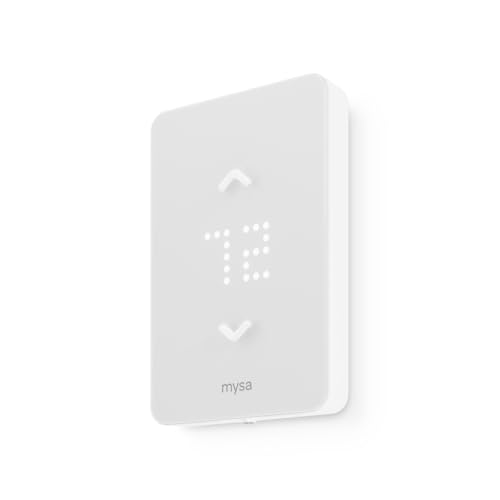
If you’re looking for an efficient heating solution for your electric baseboard heaters, the Mysa Smart Thermostat LITE is a perfect choice. This Wi-Fi programmable thermostat fits 120V-240V systems and works with both single and double pole configurations. You can install it yourself in just 15 minutes using the included video guide, eliminating the need for an electrician. With the ability to create custom heating schedules, you could reduce your heating costs by up to 26%. Plus, control it remotely via a smartphone app, and enjoy compatibility with Amazon Alexa, Google Assistant, and Apple HomeKit for seamless voice control.
Best For: Those seeking an efficient, easy-to-install thermostat for controlling electric baseboard and wall heaters in hard-to-heat spaces.
Pros:
- Cost-effective: Potential to reduce heating costs by up to 26% with custom schedules.
- Easy installation: DIY setup in just 15 minutes without the need for professional help.
- Smart control: WiFi-enabled with compatibility for voice control through popular smart home systems.
Cons:
- Limited to specific systems: Only compatible with 120V-240V electric heating systems.
- Requires WiFi: Remote access and smart features depend on a stable internet connection.
- Basic functionality: May lack advanced features found in higher-end smart thermostats.
meross Matter Smart Thermostat for Electric Baseboard Heater
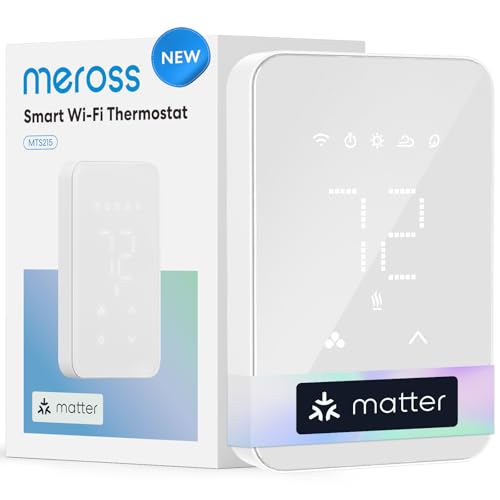
The meross Matter Smart Thermostat for Electric Baseboard Heaters is ideal for homeowners seeking an efficient way to manage their high-voltage heating systems. This thermostat supports 120-240 VAC electric heating, but isn’t compatible with 24V HVAC systems. You can control it via voice commands or the Meross app from anywhere, ensuring convenient management. Its smart scheduling feature helps optimize energy use, while open window detection prevents unnecessary heating. Plus, you can monitor your electricity consumption in real-time, making it easier to adopt a lower-carbon lifestyle. With universal Matter compatibility, it integrates seamlessly into your smart home ecosystem.
Best For: Homeowners with high-voltage electric heating systems looking for energy-efficient and convenient temperature management.
Pros:
- Smart scheduling feature allows for automated temperature control, saving energy and reducing heating costs.
- Open window detection feature prevents energy waste by pausing heating when an open window is detected.
- Universal Matter compatibility enables seamless integration with various smart home ecosystems, providing versatile control options.
Cons:
- Not compatible with 24V HVAC systems, limiting use to specific heating setups.
- Requires a Wi-Fi connection for remote access and voice control, which may not be ideal for all users.
- May have a higher upfront cost compared to traditional thermostats, which could be a consideration for budget-conscious consumers.
meross Smart Thermostat for Electric Baseboard and In-Wall Heaters

For homeowners seeking an efficient and smart way to manage their electric baseboard heaters, the meross Smart Thermostat shines with its compatibility across major smart home platforms like HomeKit, Alexa, Google Home, and SmartThings. Designed for high voltage systems, it supports electric baseboard, convector, and fan-forced heaters. Installation’s quick—taking under 30 minutes with four or more wires. With a programmable range of 41℉-95℉, you can tailor comfort to your liking. Plus, its energy monitoring tracks usage, while features like Open Window Detection help conserve energy. Enjoy seamless control and comfort with this stylish, user-friendly thermostat.
Best For: Homeowners looking for a smart, efficient solution to manage their electric baseboard and in-wall heaters.
Pros:
- Wide Compatibility: Works with major smart home platforms including HomeKit, Alexa, Google Home, and SmartThings.
- Energy Monitoring: Tracks power consumption and features like Open Window Detection to promote energy savings.
- User-Friendly: Quick installation and a programmable temperature range make it easy to customize comfort levels.
Cons:
- Installation Complexity: Requires four or more wires, which may complicate installation for some users.
- Limited to High Voltage: Only compatible with high voltage systems (120V-240V), excluding low voltage systems.
- Dependence on Smart Features: Users must rely on smart home ecosystems for full functionality, which may not appeal to everyone.
Wi-Fi Smart Thermostat for Electric Baseboard Heaters

Designed specifically for 120-240V electric baseboard heating systems, the Wi-Fi smart thermostat is perfect for homeowners seeking energy efficiency and remote management capabilities. With an easy installation process and a custom-designed wall plate, it fits standard American and Canadian electrical boxes. You can monitor and adjust your home’s temperature via the app or voice control with Alexa and Google Assistant. Its programmable features let you maintain comfort while reducing energy costs. Plus, it keeps temperatures slightly above freezing to prevent plumbing issues. Enjoy seamless integration into your smart home ecosystem with Smart Life and Tuya compatibility.
Best For: Homeowners with 120-240V electric baseboard heating systems seeking energy efficiency and smart home integration.
Pros:
- Energy-efficient programming to reduce costs and maintain comfort.
- Remote management capabilities through an app and voice control with Alexa and Google Assistant.
- Prevents plumbing issues by keeping temperatures above freezing during cold snaps.
Cons:
- Not compatible with 24V central heating systems or single pole systems.
- Requires access to a 2.4 MHz Wi-Fi network for installation.
- Installation may be challenging for those unfamiliar with electrical work.
meross Smart Thermostat for Home (WiFi, Alexa, Google Assistant Compatible)
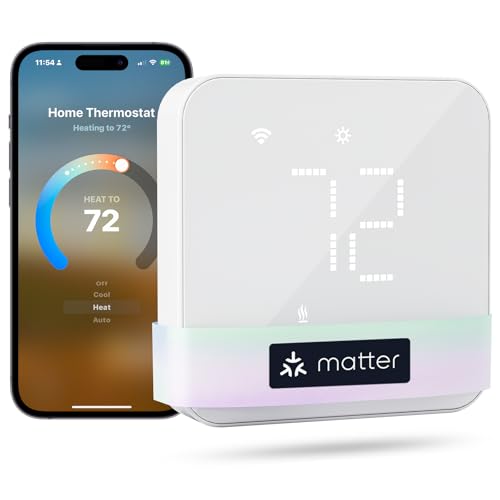
Looking for a smart thermostat that seamlessly integrates with your home automation system? The meross Smart Thermostat is compatible with 95% of HVAC systems, allowing you to control heat pumps, air conditioners, and more. It works with Apple Home, Amazon Alexa, and Google Assistant, enabling you to manage settings via voice commands or an app. With 24/7 scheduling, you can customize your heating and cooling routines to save energy and costs. Plus, smart alerts keep you informed about filter life and system malfunctions, providing peace of mind. Installation is easy, and its sleek design suits any decor.
Best For: Homeowners looking for a smart thermostat that offers energy efficiency, integration with smart home systems, and customizable heating and cooling schedules.
Pros:
- Seamless integration with popular smart platforms like Apple Home, Amazon Alexa, and Google Assistant.
- Flexible 24/7 scheduling allows for tailored heating and cooling routines, optimizing energy use and costs.
- Smart alerts provide notifications about filter life and system malfunctions, ensuring efficient HVAC operation.
Cons:
- Requires a C wire for some wiring configurations, which may limit compatibility with certain setups.
- Not compatible with 110V/120V/240V electric baseboard heaters and millivolt thermostats, restricting use in some homes.
- May require professional installation for users unfamiliar with HVAC systems or wiring.
MOES Programmable Smart Thermostat for Electric Baseboard Heaters

The MOES Programmable Smart Thermostat is ideal for homeowners with electric baseboard heaters who want to optimize their energy usage without sacrificing comfort. This thermostat works seamlessly with 120V/240V systems and connects via 2.4G WiFi, enabling remote control through the Smart Life/TUYA app. Installation requires a minimum of four wires, ensuring reliable performance in high-voltage applications. With a frosted display for clarity and an easy-grip knob for manual adjustments, it enhances user experience. Plus, it integrates with Alexa and Google Home for hands-free temperature control, allowing you to manage your home’s warmth effortlessly.
Best For: Homeowners with electric baseboard heaters looking to enhance energy efficiency and comfort.
Pros:
- Enables remote control via Smart Life/TUYA app, providing convenience and flexibility.
- Compatible with Alexa and Google Home for hands-free operation.
- Features a user-friendly interface with a frosted display and easy-grip knob for manual adjustments.
Cons:
- Requires a minimum of four wires for installation, which may limit compatibility with some existing setups.
- Only supports 2.4G WiFi, potentially reducing connectivity options for some users.
- Primarily designed for high-voltage systems, which may not suit all heating setups.
Honeywell TL8230A1003 Electric Heat Digital 7 Day Programmable Thermostat
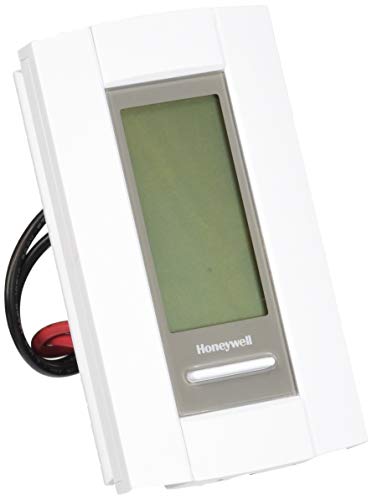
For homeowners seeking energy efficiency and personalized comfort, the Honeywell TL8230A1003 Electric Heat Digital 7 Day Programmable Thermostat stands out with its 7-day programmable schedule. You can save up to 20% on energy bills by tailoring the temperature to fit your lifestyle. With electronic temperature control, you’ll enjoy precise adjustments within ±1°F, offering the potential for an additional 10% savings on heating costs. Its soundproofed design guarantees quiet operation, eliminating the annoying clicking noise typical of conventional thermostats. Plus, the large, backlit display makes it easy to read in any lighting, and the early start feature assures comfort when you need it.
Best For: Homeowners looking for an energy-efficient and customizable heating solution to enhance comfort and reduce utility costs.
Pros:
- 7-day programmable schedule allows users to optimize heating based on their lifestyle, potentially saving up to 20% on energy bills.
- Electronic temperature control with a precision of ±1°F enables more accurate heating, which can lead to further savings on heating costs.
- Quiet operation due to the soundproofed design, eliminating the annoying clicks typical of traditional thermostats.
Cons:
- May require a learning curve for users unfamiliar with programmable thermostats.
- Initial setup might take longer compared to non-programmable models for those who are not tech-savvy.
- Features may not be fully utilized by individuals who prefer simple temperature adjustments without programming.
ecobee Smart Thermostat Essential – Energy Star Certified

If you’re aiming to maximize energy savings while ensuring a comfortable home environment, the ecobee Smart Thermostat Essential is an excellent choice, as it can save you up to 23% annually on heating and cooling costs. It automatically adjusts to your schedule, optimizing comfort while reducing energy use when you’re away. Compatible with 85% of HVAC systems, installation is a breeze, requiring no C Wire. You can integrate it with major smart home systems like Apple HomeKit and Alexa, controlling temperatures easily via a touchscreen or the app. Plus, free software updates keep your thermostat performing at its best.
Best For: Homeowners looking to reduce energy costs and enhance comfort with a smart thermostat that integrates easily into existing HVAC systems.
Pros:
- Save up to 23% annually on heating and cooling costs by optimizing energy use.
- Easy installation with no C Wire needed and compatibility with 85% of HVAC systems.
- Smart home integration allows for convenient temperature control via major ecosystems like Apple HomeKit and Alexa.
Cons:
- Additional cost for SmartSensors if you want to monitor temperature and movement in specific rooms.
- Requires Wi-Fi for full functionality, which may be a limitation in areas with poor connectivity.
- Initial setup may require some technical knowledge for those unfamiliar with smart devices.
Honeywell TL7235A1003 Non-Programmable Digital Thermostat

With its user-friendly interface and on-demand backlight, the Honeywell TL7235A1003 Non-Programmable Digital Thermostat stands out as a top choice for homeowners seeking a straightforward solution for electric baseboard heating. This thermostat operates quietly, minimizing the clicking noise typical of conventional models. You’ll appreciate its electronic temperature control, ensuring precise heating management. Designed for easy installation, it’s compatible with line voltage heating systems, making it versatile for both residential and commercial applications. Plus, the heating indicator gives you instant confirmation when your system’s active, enhancing your comfort and efficiency effortlessly. Experience reliable warmth with Honeywell’s innovative design.
Best For: Homeowners and businesses seeking a simple, efficient, and quiet solution for electric baseboard heating.
Pros:
- User-friendly interface with digital controls for easy operation.
- On-demand backlight enhances visibility in different lighting conditions.
- Soundproof operation minimizes typical clicking noise for a quieter environment.
Cons:
- Non-programmable design may not suit those looking for advanced scheduling features.
- Limited to line voltage heating systems, restricting compatibility with other types.
- Lacks smart connectivity options for remote control or automation.
Stelpro Z-Wave Thermostat for Electric Baseboards and Convectors

The Stelpro Z-Wave KI STZW402WB+ Thermostat is ideal for homeowners looking to enhance their electric baseboard and convector heating systems. This first Z-Wave thermostat in North America works with line voltage and a 2-wire connection, making it a versatile choice. You can manage your heaters remotely through a mobile device or computer when connected to a Z-Wave gateway controller. Set personalized temperature schedules to cut energy bills, and use the ECO mode for even more efficiency. Plus, pair it with other Z-Wave devices to automate heating based on inputs from sensors, ensuring maximum comfort and convenience.
Best For: Homeowners looking to efficiently control their electric baseboard and convector heating systems with smart technology.
Pros:
- Remote management: Control your heating system from anywhere using a mobile device or computer.
- Energy savings: Personalized temperature schedules and ECO mode help reduce energy bills.
- Automation capabilities: Integrates with other Z-Wave devices for enhanced home automation and comfort.
Cons:
- Requires a Z-Wave gateway: Additional cost and setup for a compatible gateway controller.
- Limited compatibility: Only works with specific smart home platforms like SmartThings and Vera.
- Installation complexity: May require professional installation for those unfamiliar with line voltage systems.
Factors to Consider When Choosing Smart Thermostats for Electric Baseboard Heaters
When choosing a smart thermostat for your electric baseboard heaters, consider several important factors. You’ll want to check compatibility with your heating system, assess installation complexity, and explore smart home integration options. Additionally, look for energy efficiency features and guarantee the thermostat offers user-friendly control and accessibility.
Compatibility With Heating Systems
Choosing a smart thermostat for your electric baseboard heaters requires careful consideration of compatibility factors to guarantee peak performance. First, make sure the thermostat is designed for high-line voltage systems, typically between 120V to 240V, since many aren’t suited for lower voltage setups. Verify that it supports your specific heating type, like electric baseboard heaters or convector units, as each system needs unique functionalities. Check if it works with single or double pole configurations, as this impacts installation. Additionally, confirm that it meets the minimum wiring requirement, generally needing at least four wires. Finally, assess if the smart features align with your existing smart home ecosystem, ensuring seamless integration and control.
Installation Requirements and Complexity
Installing a smart thermostat for your electric baseboard heaters can be straightforward, especially if you follow the right steps. Most models need at least four wires in the electrical box for proper functionality, including a neutral or a second live wire. If you’re comfortable with DIY projects, you can often replace standard line voltage thermostats without hiring an electrician, and the process typically takes under 30 minutes. However, double-check compatibility with your specific system, such as single pole versus double pole configurations, to avoid issues. Additionally, some thermostats might require a specific Wi-Fi frequency, like 2.4 MHz, for connectivity, so it’s wise to confirm this during setup to guarantee everything runs smoothly.
Smart Home Integration Options
As you explore smart home integration options for your electric baseboard heaters, it’s essential to evaluate compatibility with various ecosystems. Look for thermostats that support platforms like Apple HomeKit, Amazon Alexa, Google Assistant, and SmartThings. This broad compatibility allows you to control your heating system through devices you already own. Voice control capabilities mean you can adjust settings hands-free, enhancing convenience. Additionally, consider thermostats certified with Matter, ensuring seamless communication with a range of smart devices. Many models also feature dedicated apps for remote management, letting you control your heating from anywhere. Finally, advanced integration options allow your thermostat to work with other smart devices, optimizing comfort and enhancing your overall home automation experience.
Energy Efficiency Features
When evaluating smart thermostats for electric baseboard heaters, energy efficiency features should be a top priority since they can greatly impact your heating costs. Look for models that allow you to create custom heating schedules, potentially reducing costs by up to 26%. Features like open window detection can pause heating automatically, conserving energy when you forget to close a window. Energy monitoring capabilities help you track real-time electricity consumption and historical data, fostering energy-saving habits. Programmable settings and automation let you adjust heating based on occupancy and time, enhancing efficiency. Advanced scheduling options can align heating patterns with your routine, leading to additional savings of up to 20%. Prioritize these features to maximize comfort while lowering your energy bills.
User Control and Accessibility
User control and accessibility are vital factors to evaluate when choosing smart thermostats for electric baseboard heaters. Look for models that offer remote management through smartphone apps, allowing you to adjust your settings from anywhere. Voice control compatibility with assistants like Alexa, Google Assistant, and Siri can make temperature adjustments hands-free, enhancing convenience. A user-friendly interface is essential, so make certain the thermostat has a clear display and straightforward navigation for easy programming. Customizable scheduling options let you create heating plans that fit your daily routines. Additionally, consider accessibility features such as backlit displays for low light visibility and mobile app notifications, which help guarantee that the thermostat is usable for everyone, regardless of their situation.
Monitoring and Scheduling Capabilities
Effective monitoring and scheduling capabilities are essential for maximizing the benefits of smart thermostats with electric baseboard heaters. With scheduling features, you can automate heating routines, ensuring comfort while optimizing energy use based on your daily patterns. Many models let you set different temperatures for weekdays and weekends, saving costs when you’re not home. Real-time monitoring provides insights into your energy consumption, allowing you to identify trends and potential savings. Some thermostats even include open window detection, pausing heating to prevent energy waste when a window is opened. Plus, accessing historical data through the app helps you track energy usage changes over time, empowering you to adjust your heating schedules for even greater efficiency.
