When it comes to maximizing energy efficiency in your HVAC system, choosing the right duct insulation materials is essential. You’ll find that various options offer unique benefits, from solid thermal resistance to moisture protection. Understanding these materials can greatly affect your energy consumption and indoor comfort. So, what are the top choices that can elevate your HVAC performance and keep costs down? Let’s explore the best options available.
SmartSHIELD Foam Core Reflective Insulation Roll (R-8)

If you’re looking for an efficient way to enhance your HVAC system, the SmartSHIELD Foam Core Reflective Insulation Roll (R-8) is an excellent choice for homeowners and contractors alike. This 5mm thick insulation roll reflects 97% of radiant energy, making it a powerful radiant barrier. With an impressive R-value of up to 21.10 when layered, it markedly boosts energy efficiency. Plus, it acts as a vapor barrier, preventing moisture buildup and reducing sound transmission. Its lightweight design and non-toxic materials guarantee easy installation without safety concerns. Upgrade your insulation with SmartSHIELD and experience the difference in comfort and efficiency.
Best For: Homeowners and contractors seeking an efficient insulation solution to enhance energy efficiency and comfort.
Pros:
- Reflects 97% of radiant energy, making it an effective radiant barrier that improves energy efficiency.
- Acts as a vapor barrier, preventing moisture buildup and reducing the risk of condensation.
- Lightweight and easy to install, allowing for convenient handling and cutting during installation.
Cons:
- May require additional layers for optimal R-value, which could increase material costs.
- Limited effectiveness in non-radiant heat applications compared to traditional insulation materials.
- Some users may prefer thicker insulation options for specific applications or climates.
US Energy Products R-8 HVAC Duct Wrap Insulation (4FT X 50FT)

For homeowners and contractors looking for reliable HVAC duct insulation, the US Energy Products R-8 HVAC Duct Wrap Insulation stands out with its impressive R-value of R8. Measuring 4ft by 50ft, this insulation boasts a double-sided reflective foam core that enhances energy efficiency. It’s ASTM certified, Class 1/Class A fire rated, and safe to handle without protective gear. Installation is a breeze; you can cut it easily and use staples, nails, or adhesive. Plus, it resists moisture and doesn’t promote pest nesting. With no messy fibers, it’s an ideal choice for effective, hassle-free HVAC insulation.
Best For: Homeowners and contractors seeking efficient, easy-to-install HVAC duct insulation that enhances energy efficiency and safety.
Pros:
- Easy installation with various application methods (staple, nail, glue, or spray adhesive).
- Non-toxic, fiber-free material that is safe to handle without protective gear.
- Moisture-resistant and inhibits condensation, preventing pest nesting.
Cons:
- Limited dimensions (4ft x 50ft) may not be suitable for larger projects without multiple rolls.
- The thickness of 1/4 inch may not provide sufficient insulation for some extreme climates.
- Initial cost may be higher compared to traditional fiberglass insulation options.
Duct Insulation, 1-1/2In x 48In x 25Ft
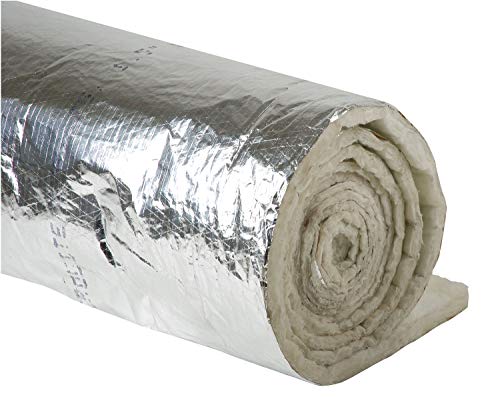
When you need reliable thermal performance for your HVAC system, the Duct Insulation measuring 1-1/2 inches thick, 48 inches wide, and 25 feet long stands out as an ideal choice. Made from fiberglass and featuring a foil scrim kraft jacket, this insulation offers an impressive R-value of 4.2. It’s designed to withstand temperatures ranging from -32°F to 250°F, ensuring effective insulation in various conditions. Weighing only 0.01 ounces, it’s easy to handle and install. With a strong customer rating of 4.6 stars, you can trust this product to enhance your system’s energy efficiency.
Best For: Homeowners and HVAC professionals seeking reliable thermal insulation for ductwork to improve energy efficiency.
Pros:
- Effective Insulation: With an R-value of 4.2, it provides excellent thermal resistance.
- Wide Temperature Range: Suitable for use in environments ranging from -32°F to 250°F.
- User-Friendly: Lightweight design makes it easy to handle and install.
Cons:
- Limited Availability: May not be readily available in all local hardware stores.
- Specific Use Case: Primarily designed for duct insulation, not as versatile for other insulation needs.
- Thin Construction: At 1-1/2 inches thick, it may not be adequate for high-performance insulation requirements in certain applications.
Double Bubble Reflective Foil Insulation Tape for HVAC and Weatherproofing

Double Bubble Reflective Foil Insulation Tape is ideal for homeowners and DIY enthusiasts looking to enhance the efficiency of their HVAC systems. This 6-inch by 16.5-foot tape features an adhesive backing, making installation on air conditioner hoses a breeze—no extra glue or tape required. Its double bubble design effectively prevents heat loss while blocking light damage. Simply overlap the bubble wrap insulation every ½ inch for complete coverage of exhaust pipes. Use it for portable AC units, water pipes, and various other applications, ensuring your HVAC system operates at peak performance while protecting against environmental elements.
Best For: Homeowners and DIY enthusiasts looking to improve HVAC efficiency and insulation.
Pros:
- Adhesive backed for easy installation without the need for additional glue or tape.
- Double bubble design effectively prevents heat loss and blocks light damage.
- Versatile applications for various insulation needs, including portable AC units and water pipes.
Cons:
- Limited to a size of 6 inches wide, which may not fit all applications.
- Requires precise overlapping every ½ inch for optimal effectiveness.
- Adhesive may lose stickiness over time if exposed to extreme temperatures.
US Energy Products R-8 HVAC Duct Wrap Insulation
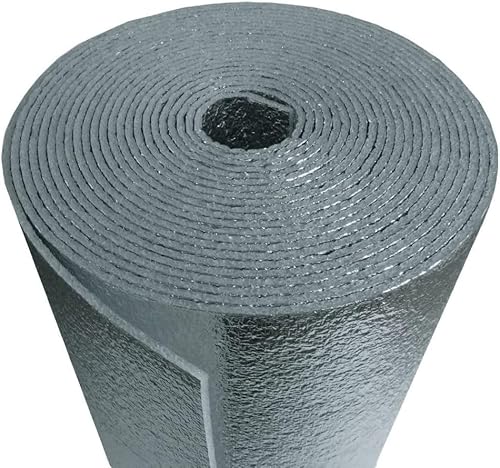
If you’re looking for a reliable and efficient way to insulate your HVAC ducts, US Energy Products R-8 HVAC Duct Wrap Insulation stands out with its impressive R-Value of R-8. This double-sided reflective foam core insulation is 1/4 inch thick and measures 4ft x 100ft, making it perfect for various applications. It’s super duty waterproof and non-toxic, ensuring safety during installation. You won’t have to worry about condensation or pests, as it meets all fire codes and inhibits nesting. Plus, it’s easy to install with simple tools, so you can achieve maximum energy efficiency without the hassle.
Best For: Homeowners and contractors seeking an easy-to-install solution for insulating HVAC ducts to improve energy efficiency.
Pros:
- Double-sided reflective design enhances insulation performance and prevents heat loss.
- Non-toxic and fiber-free material ensures safety during installation without the need for protective gear.
- Waterproof and durable construction inhibits condensation and pest nesting, maintaining long-term effectiveness.
Cons:
- Limited thickness of 1/4 inch may not provide sufficient insulation for extreme temperature variations compared to thicker products.
- Requires cutting for installation, which may be challenging for some users without proper tools.
- Initial cost may be higher compared to traditional insulation materials, though it offers long-term savings on energy bills.
48″ x 25ft Reflective FOIL FRK Fiberglass Duct Insulation

For those seeking efficient insulation solutions for their HVAC systems, the 48″ x 25ft Reflective FOIL FRK Fiberglass Duct Insulation is an excellent choice. Designed for both commercial and residential ducts, it operates effectively from 35°F to 250°F, guaranteeing ideal performance. The fiberglass material is laminated to a FRK vapor retarder facing, making it flexible and easy to install. This insulation not only prevents duct condensation but also enhances thermal comfort for building occupants. By meeting NFPA 90A and 90B standards, it guarantees compliance with mechanical energy codes, making it a reliable option for your insulation needs.
Best For: Those looking for effective insulation for HVAC systems in both commercial and residential settings.
Pros:
- Helps prevent duct condensation, improving system efficiency.
- Enhances thermal comfort for building occupants.
- Flexible and easy to install, saving time and labor costs.
Cons:
- May require additional tools for installation which could add to the overall cost.
- Limited to temperature ranges of 35°F to 250°F, which may not suit all applications.
- The fiberglass material may irritate skin or respiratory systems during installation if not handled properly.
BlueTex HVAC Aluminum Foil Tape (3 inch x 150 ft)

BlueTex HVAC Aluminum Foil Tape is the perfect choice for professionals seeking a reliable sealing solution for HVAC systems. With its 3-inch width and 150-foot length, this professional-grade tape offers exceptional strength and durability. You’ll find it nearly impossible to rip or tear, thanks to its reinforced scrim that requires a knife or scissors for cutting. It withstands extreme temperatures from -20°F to 250°F, ensuring it’s perfect for sealing HVAC ducts, dryer vents, and insulation seams. Its strong self-adhesive properties resist moisture, chemicals, and UV degradation, making it a dependable option for any HVAC project.
Best For: Professionals seeking a reliable sealing solution for HVAC systems and insulation projects.
Pros:
- Impossibly strong: Designed to resist ripping or tearing, ensuring durability during use.
- Wide temperature range: Functions effectively in extreme temperatures from -20°F to 250°F.
- Moisture and chemical resistant: Offers robust protection against water vapor, flames, and UV degradation.
Cons:
- Requires cutting tools: Needs a knife or scissors for cutting, which may be inconvenient for some users.
- Limited to specific applications: Primarily designed for HVAC and insulation use, which may not suit all project types.
- Higher initial cost: May have a higher price point compared to standard duct tape options.
4 Inch Insulated Flexible Duct (25 Feet)

When you’re looking for a reliable solution to enhance your HVAC system’s efficiency, the 4 Inch 25 Feet R4.2 Insulated Flexible Duct stands out as an excellent choice. This high-efficiency duct features R4.2 high-density insulation, effectively preventing heat loss and cold air penetration year-round. Its durable, weather-resistant outer layer makes it perfect for outdoor or damp environments like garages and rooftops. Installation is a breeze—it’s flexible, lightweight, and can be cut to fit various pipe sizes without needing specialized tools. With a solid customer rating of 4.4 stars, it promises long-lasting performance and value for your HVAC needs.
Best For: Homeowners looking to improve their HVAC system’s efficiency with a flexible and insulated duct solution.
Pros:
- High-density R4.2 insulation effectively prevents heat loss and cold air penetration, enhancing energy efficiency.
- Weather-resistant outer layer protects against extreme temperatures and UV exposure, making it suitable for outdoor use.
- Easy installation with a flexible design that can be cut to fit various pipe sizes without the need for specialized tools.
Cons:
- Limited availability with first release on December 20, 2024.
- Customer feedback indicates some users may find the insulation thickness challenging to work with in tight spaces.
- The product is primarily designed for specific applications, which may not suit all HVAC setups.
12 Inch Insulated Flexible Duct for HVAC

The 12 Inch Insulated Flexible Duct is an excellent choice for HVAC professionals who prioritize efficiency and performance in their ventilation systems. Made from thickened aluminum foil and high-strength spiral steel wire, it boasts an R-value of 4.2 thanks to its glass fiber insulation. This duct’s flexible design allows for easy bending without rigid elbows, while its outstanding sound absorption reduces noise by up to 85%. Suitable for various pressure systems, it can handle temperatures from -4℃ to 454℃. With high corrosion resistance and flame retardancy, it guarantees durability and peak airflow in your HVAC setup.
Best For: HVAC professionals seeking a durable and efficient ventilation solution for various systems.
Pros:
- High insulation R-value of 4.2 for improved energy efficiency.
- Flexible design allows for easy installation in tight spaces without rigid elbows.
- Excellent sound absorption capabilities, reducing noise by up to 85%.
Cons:
- Not suitable for environments with corrosive gases.
- Installation may require additional supports in certain configurations.
- Initial cost may be higher compared to non-insulated duct options.
Aluminum Foil Duct Tape Heavy Duty (2 Inches x 20 Yards)

For DIY enthusiasts and professionals tackling HVAC projects, Aluminum Foil Duct Tape Heavy Duty (2 Inches x 20 Yards) stands out as a reliable choice. This tape excels in high temperature sealing and patching, perfect for air ducts, metal repairs, and insulation. Its strong adhesive provides industrial-strength reliability, while high tensile strength guarantees it can handle stress. You’ll appreciate how easy it is to install—just tear it by hand without needing scissors. Plus, it removes cleanly without leaving residue, making it safe for surfaces. With 24/7 customer support, you can depend on this versatile tape for all your maintenance needs.
Best For: DIY enthusiasts and professionals looking for a versatile, heavy-duty tape for HVAC and insulation projects.
Pros:
- Strong industrial-strength adhesive ensures reliable performance.
- Easy to use—can be torn by hand without scissors for quick application.
- Residue-free removal makes it safe for various surfaces.
Cons:
- Limited to a specific width (2 inches) which may not suit all applications.
- High-temperature performance may not be necessary for all users.
- Portable size may not provide enough length for larger projects without multiple rolls.
Factors to Consider When Choosing HVAC Duct Insulation
When choosing HVAC duct insulation, you should consider several key factors to guarantee peak performance. Think about the types of insulation materials available, the importance of R-value, and the best installation methods for your system. Don’t forget to evaluate moisture resistance and fire safety ratings, as these can greatly impact your home’s safety and efficiency.
Insulation Material Types
Choosing the right insulation material for your HVAC ducts can greatly impact your system’s efficiency and performance. You’ve got several options, including fiberglass, foam core, and reflective foil. Fiberglass insulation offers an R-value of 2.9 to 4.2 per inch, providing decent thermal resistance but can irritate your skin. Foam core insulation, like closed-cell polyethylene, can reach impressive R-values up to R-15.67, plus it helps control moisture and sound. Reflective foil is perfect for hot climates, reflecting up to 97% of radiant heat and enhancing energy efficiency. When making your choice, consider factors like moisture resistance, installation ease, and fire safety ratings, as many materials boast Class 1 / Class A fire ratings for added peace of mind.
R-Value Importance
Understanding the R-value is vital for optimizing your HVAC duct insulation, as it directly influences your system’s energy efficiency. The R-value measures thermal resistance; a higher R-value indicates better insulation performance. For HVAC duct insulation, it’s often recommended to aim for an R-value of R-8 or higher to enhance energy efficiency and maintain temperature control. Insulation with a higher R-value not only reduces energy consumption but also minimizes heat loss in winter and heat gain in summer. Additionally, consider that using multiple layers can greatly boost the R-value—two layers of reflective insulation can achieve up to R-21.10. Choosing the right R-value is critical for compliance with building codes and ensuring comfortable indoor temperatures.
Installation Methods
Selecting the right installation method for HVAC duct insulation is essential for guaranteeing ideal performance and energy efficiency. You’ll find methods like stapling, nailing, or gluing, depending on your insulation material and application needs. Most insulation products are designed for easy cutting with standard tools, making your installation process straightforward. Luckily, some materials don’t produce itchy fibers, allowing for a more comfortable experience without protective gear. To maximize energy efficiency, verify your insulation is applied without gaps or overlaps. Proper installation not only enhances performance but also guarantees compliance with fire codes while providing effective thermal and acoustic insulation. Pay attention to these factors to achieve the best results for your HVAC system.
Moisture Resistance
When it comes to HVAC duct insulation, moisture resistance plays an essential role in preventing issues like condensation, mold growth, and insulation deterioration. To guarantee peak performance, choose products with effective vapor barriers, such as closed-cell polyethylene foam or fiberglass with FRK facing. These options considerably inhibit moisture penetration. Additionally, consider insulation materials designed to withstand humidity, like certain reflective foils and foam core types, as they enhance the longevity of your HVAC system. Look for ASTM-certified insulation to confirm it meets industry standards for moisture resistance. Finally, selecting waterproof insulation that prevents nesting by insects or rodents can further protect your duct systems from moisture-related challenges, helping you maintain efficiency and comfort.
Fire Safety Ratings
While choosing HVAC duct insulation, fire safety ratings should be at the forefront of your decision-making process. Look for insulation materials classified as Class 1 or Class A, as they offer a high level of resistance to fire spread and smoke development. Confirm that the materials meet ASTM fire safety standards to comply with building codes and regulations. Class 1/Class A rated insulation is designed to resist ignition and minimize harmful smoke release in the event of a fire. Opting for non-combustible or fire-resistant materials not only enhances your HVAC system’s efficiency but also greatly boosts overall building safety by reducing fire hazards. Prioritize these factors to confirm both thermal performance and safety in your insulation choice.
